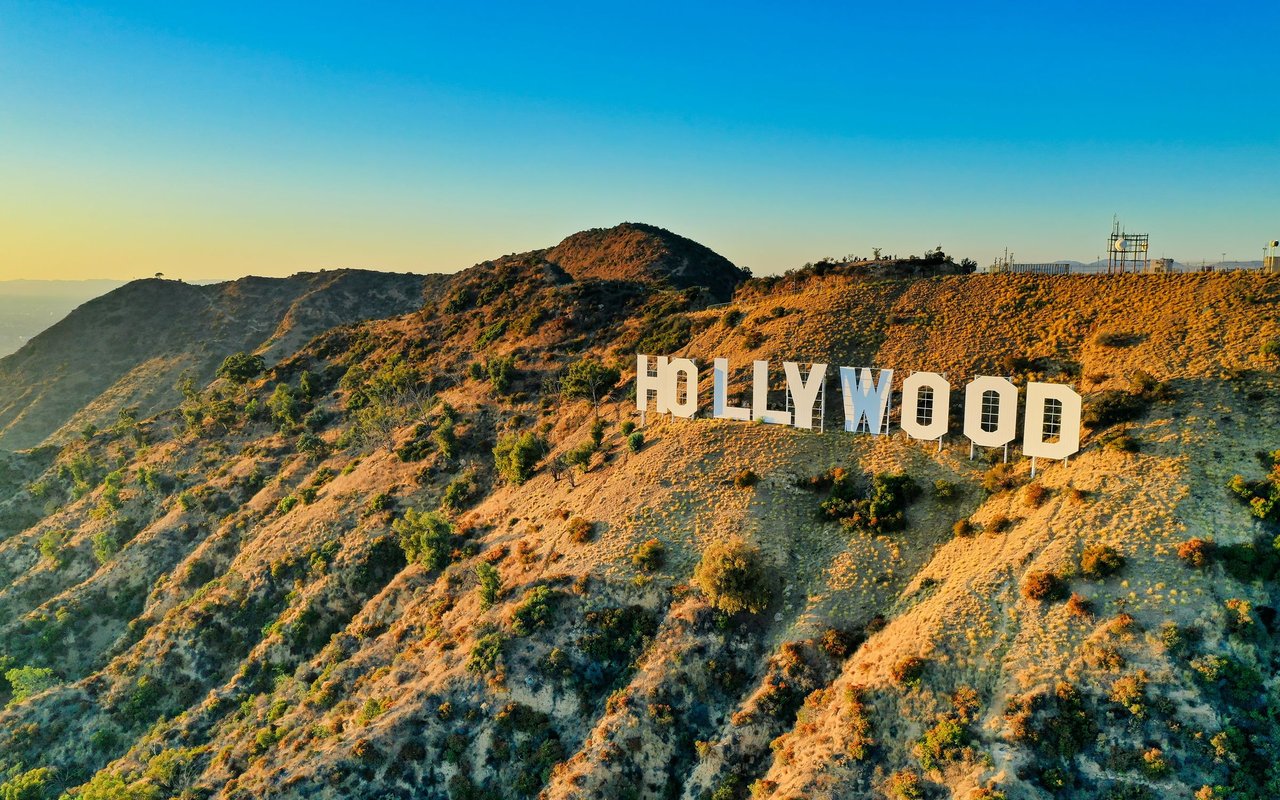
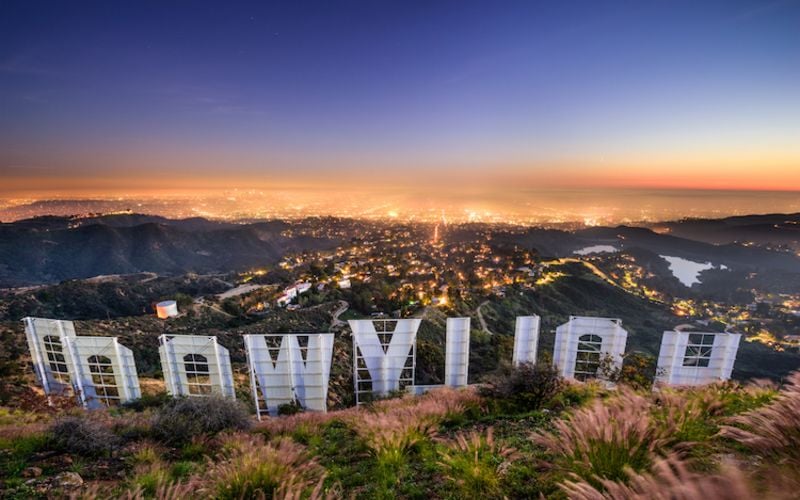
For the sake of simplicity, let’s say there are two kinds of lifestyle mindsets in Los Angeles: there are beach people and hill people. If you love a good view, being surrounded by nature and tranquility, living in the Hollywood Hills means you’re most likely a hill person.
During the day, the Hollywood Hills offer an escape from the rat race under the bright, sunny skies of Southern California. By night, the glow from the stars above and city lights below eases the mind into endless space. This is the place to feel solitude, even within the borders of a big, bustling metropolis.
Moneyed lawyers, studio executives, and celebrities make the hills their home. But there are also artists, writers and musicians holed-up in the canyons, making the Hollywood Hills a retreat of sorts – a feeling of being far enough away from the grind of urban living but still connected to Los Angeles’ creative energy.
Because of the diversity of its denizens, the hills are dotted with trophy mansions and funky bungalows alike. No matter the size, shape or style of the architecture, every home is surrounded by a lush environment – trees, flowers, grasses, and shrubs. What’s more, homeowners get great canyon or city views – from downtown, across the basin, all the way out to the coastline on the clearest days.
The Hollywood Hills are divided into two major areas, Hollywood Hills East and Hollywood Hills West, split by Cahuenga Pass (101 Freeway). Each side of the pass contains a bundle of canyons, parks, and distinct neighborhoods.
Hiking Trails in Runyon Canyon
Hollywood Hills offers the easiest access to several trailheads to the networks of trails in local parks and open spaces.
In fact, hiking is a very popular activity here. It gives folks the chance to exercise outside, away from bustling traffic of the surface streets below, which can often be less relaxing for runners. Hiking is also a social activity, giving friends (and often their pets) the chance to socialize. Plus, hikers are always rewarded with a great view.
Cyclists also enjoy the challenge of pedaling up the canyon streets like Outpost Drive to Mulholland Drive. Once at the top, bikers can follow Mulholland for several miles and then speedily ride back down either side of the Santa Monica Mountains. On weekends, pelotons (packs of cyclists) and sports cars take on the winding, steep roads and narrow side streets for a white-knuckle ride.
The Hollywood Hills are known for stunning homes with city or canyon views. Sitting on the south-facing slope of the Santa Monica Mountains, daylong sunlight is easy to come by. A fair number of homes are suspended on the hillsides, jutting out over the steep slopes. The homes with stilt foundations and cross-bracing systems will leave you asking how they’ll hold up in an earthquake. This gives double meaning to “living on the edge.”
Architectural in the hills is diverse, from 60s-era hippie roosts to pricey mansions. With few exceptions, all are expensive. Here are few popular styles:
Landscaping here tends to be lush and hedged-in, providing homeowners with additional privacy. Most trees were planted decades ago as Los Angeles transformed from a desert to irrigated city, courtesy of aqueducts that transport snowmelt and runoff from the Sierra Mountains. Some yards have been updated with eco-conscious, drought-resistant plants and grasses. Conservation is an ongoing and growing matter here; more frequent drought periods keep environmental issues top of mind.
Restaurants in Hollywood are covered ad-nauseam and doors sometimes shutter before they’re open. It’s a rare part of the world where a hamburger on the same block can run from $2 to $20. We won’t assume the role of Zagat, so here’s a modest list of our favorite restaurants in the area.
Pace is nestled in Laurel Canyon and has an open but intimate dining room and a well known salmon entree served (and cooked) on a cedar plank. The Griddle Cafe is one of LA’s quintessential diners where there’s constantly heavy traffic in the form of a wait line and an occasional celebrity sighting. Fig & Olive is a POTUS favorite, hosting the Obamas in their upscaled Mediterranean eatery on two separate trips to Los Angeles. We’d also recommend the newly reimagined Murakami on Fairfax, a modern Japanese restaurant serving affordable sashimi and chirashi bowls.
Keep in mind, the Hollywood Hills, are intrinsically, residential – so all of the eateries and retail are outliers. You (rarely) walk from your house in Laurel Canyon to dinner – which means, by and large, the hills are high on the walkable score – in terms of accessing things – but they are close to everything LA has. So you can descend from the Bird Streets to Restaurant row on Sunset Plaza – and find almost anything you’d want in the world to eat.
Similarly, if you want to be a bit more incognito – or economical – you can always funnel out of the hills into the Valley – and find yourself amidst a cornucopia of other dining and diversions.
There are few options unavailable to Hollywood residents in terms of entertainment and nightlife. The world-renowned Hollywood Bowl is in your back yard. The Henry Fonda theater draws the same caliber of acts to a more intimate venue. The Hollywood Palladium down the road has been housing headliners for decades on end.
Bars, clubs, and restaurants are too many to name. Our favorites include the ever-rocking Piano Bar on Selma, the hidden hangout behind the craftsman- turned-speakeasy No Vacancy, and The Roger Room for their old-Hollywood decor and the city’s best cocktails.
Immaculate Heart is an all-girls middle and high school just at the foothill on Franklin Avenue (this is considered Los Feliz – but it sits at the bottom of the Los Feliz foothills). They bill themselves as a Catholic college preparatory school, and have a self-reported near perfect track record with college admissions.
The Oaks School is a small, private elementary school also located in the flats on Franklin Ave. The school was founded in 1985 by Hollywood parents unsatisfied with their children’s neighborhood options
Valley View Elementary will save you the drive down the hill. Located on Woodrow Wilson Drive, this LAUSD outfit is the highest rated in the neighborhood.
Wonderland Elementary is one of the most sought after public schools in Los Angeles and serves the Laurel Canyon community. Known and beloved for highly involved staff and students, Wonderland is a cornerstone in the Hollywood Hills.
21,476 people live in Hollywood Hills, where the median age is 42 and the average individual income is $102,851. Data provided by the U.S. Census Bureau.
Total Population
Median Age
Population Density Population Density This is the number of people per square mile in a neighborhood.
Average individual Income
There's plenty to do around Hollywood Hills, including shopping, dining, nightlife, parks, and more. Data provided by Walk Score and Yelp.
Explore popular things to do in the area, including Oakwood Neighborhood Store, Unstoppable Greatness, and Durand Trail.
| Name | Category | Distance | Reviews |
Ratings by
Yelp
|
|---|---|---|---|---|
| Dining · $$$$ | 0.99 miles | 10 reviews | 3.6/5 stars | |
| Active | 0.24 miles | 0 reviews | 0/5 stars | |
| Active | 0.55 miles | 0 reviews | 0/5 stars | |
| Active | 0.99 miles | 15 reviews | 4.7/5 stars | |
| Active | 1.34 miles | 0 reviews | 0/5 stars | |
| Active | 1.61 miles | 8 reviews | 5/5 stars | |
| Beauty | 0.12 miles | 6 reviews | 5/5 stars | |
|
|
||||
|
|
||||
|
|
||||
|
|
||||
|
|
||||
|
|
Hollywood Hills has 12,241 households, with an average household size of 2. Data provided by the U.S. Census Bureau. Here’s what the people living in Hollywood Hills do for work — and how long it takes them to get there. Data provided by the U.S. Census Bureau. 21,476 people call Hollywood Hills home. The population density is 9,231 and the largest age group is Data provided by the U.S. Census Bureau.
Total Population
Population Density Population Density This is the number of people per square mile in a neighborhood.
Median Age
Men vs Women
Population by Age Group
0-9 Years
10-17 Years
18-24 Years
25-64 Years
65-74 Years
75+ Years
Education Level
Total Households
Average Household Size
Average individual Income
Households with Children
With Children:
Without Children:
Marital Status
Blue vs White Collar Workers
Blue Collar:
White Collar: